
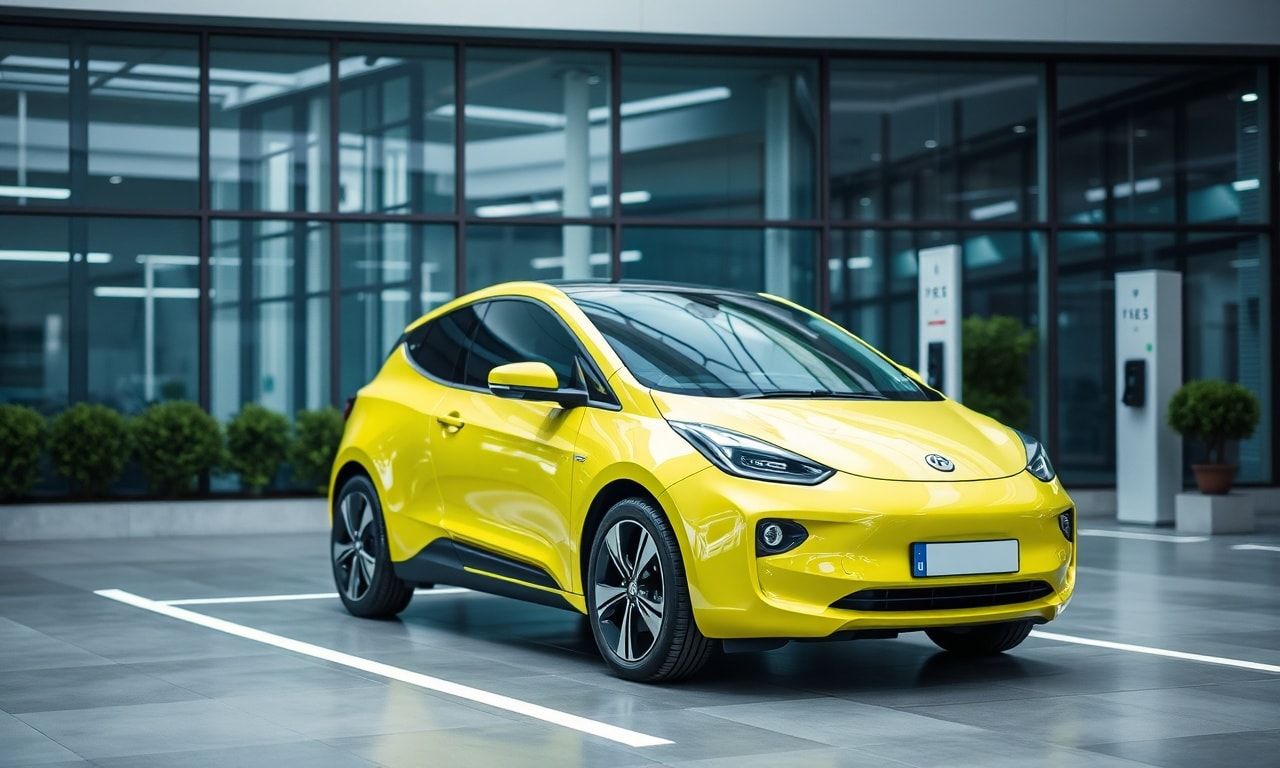
The Global Shift Towards Electric Vehicles
The world is witnessing a significant shift towards electric vehicles (EVs) as governments and consumers alike recognize the need to reduce carbon emissions and combat climate change. This transition is not only driven by environmental concerns but also by advancements in technology and increasing consumer demand for sustainable transportation options. According to recent reports, the global EV market is expected to grow exponentially in the coming years, with major automakers investing heavily in research and development.
Key Players in the EV Market
Several countries are leading the charge in the adoption of electric vehicles. Norway, for instance, has been a pioneer in EV adoption, with electric cars accounting for a significant portion of new car sales. China, the world’s largest automobile market, is also making substantial strides in EV production and infrastructure. In Europe, countries like Germany and France are implementing policies to phase out internal combustion engine vehicles in favor of electric ones. The United States, under the Biden administration, has set ambitious targets to transition to an all-electric vehicle fleet by 2030.
Innovations in Battery Technology
One of the critical factors driving the growth of the EV market is the rapid advancements in battery technology. Lithium-ion batteries, which are currently the most common type of batteries used in EVs, have seen significant improvements in energy density and cost-effectiveness. However, researchers are exploring alternative battery technologies, such as solid-state batteries, which promise even greater efficiency and safety. For those interested in the latest developments in battery technology, resources like elektrikli araba batarya değiştirme yöntemleri provide valuable insights into the various methods of battery replacement and maintenance for electric vehicles.
Challenges and Opportunities
Despite the promising growth of the EV market, there are several challenges that need to be addressed. One of the primary concerns is the availability of charging infrastructure. While urban areas are seeing a rapid expansion of charging stations, rural and suburban areas often lag behind. Another challenge is the high upfront cost of electric vehicles, which can be a barrier for many consumers. However, as technology advances and economies of scale are achieved, the cost of EVs is expected to decrease, making them more accessible to a broader range of consumers.
Government Policies and Incentives
Governments around the world are playing a crucial role in promoting the adoption of electric vehicles through various policies and incentives. Tax credits, rebates, and subsidies are being offered to encourage consumers to switch to EVs. Additionally, regulations aimed at reducing emissions from traditional vehicles are driving automakers to invest more in electric vehicle production. For example, the European Union has set a target to reduce CO2 emissions from new cars by 37.5% by 2030, which is expected to accelerate the transition to electric vehicles.
The Future of Electric Vehicles
The future of electric vehicles looks bright, with continued advancements in technology, increasing consumer demand, and supportive government policies. As the global community works towards achieving net-zero emissions, the role of electric vehicles will be crucial. The transition to EVs is not only about reducing emissions but also about creating new economic opportunities and jobs in the renewable energy sector. With ongoing innovations and investments, the EV market is poised for significant growth, paving the way for a more sustainable and eco-friendly future.
As India continues to make headlines globally, understanding its cultural diversity becomes increasingly important; delve into India’s rich cultural tapestry for a comprehensive overview.
As electric vehicles gain traction worldwide, a new article examines their impact and infrastructure in Türkiye, exploring the future of mobility in the region.