
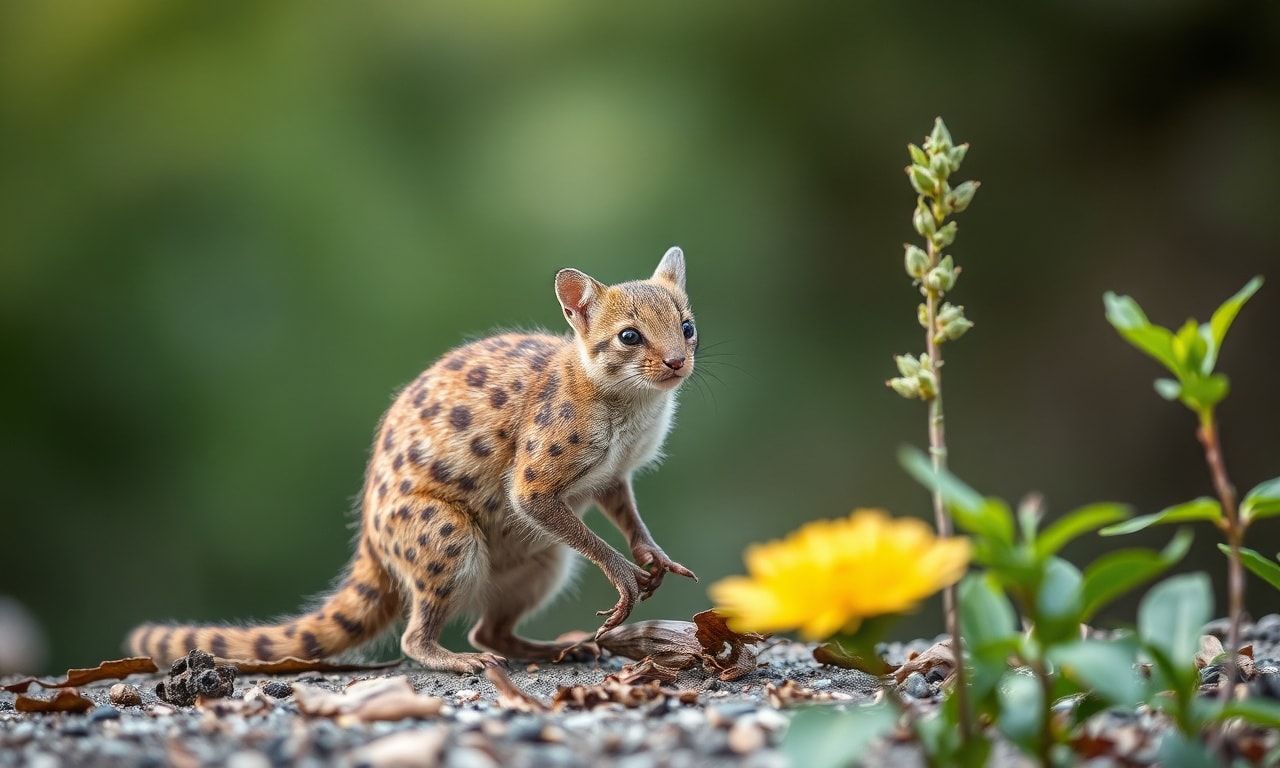
The Growing Need for Urban Wildlife Conservation
As cities around the world expand, the need for effective urban wildlife conservation strategies becomes increasingly critical. Perth, a vibrant city in Western Australia, has emerged as a leader in this field, implementing innovative programs to protect and coexist with local wildlife. This article explores Perth’s unique approach to urban wildlife conservation and the positive impact it has on both the city’s ecosystem and its residents.
Perth’s Unique Biodiversity
Perth is home to a diverse range of native species, including over 150 bird species, 120 reptile species, and numerous mammals and amphibians. The city’s unique geography, which includes coastal areas, wetlands, and bushland, provides a rich habitat for these species. However, urbanization and habitat loss pose significant threats to this biodiversity. To address these challenges, Perth has developed a comprehensive urban wildlife conservation strategy that focuses on habitat protection, community engagement, and sustainable development.
Habitat Protection and Restoration
One of the key components of Perth’s urban wildlife conservation strategy is habitat protection and restoration. The city has implemented a range of initiatives to preserve and restore natural habitats within urban areas. This includes the creation of wildlife corridors, which are strips of land that connect fragmented habitats, allowing wildlife to move safely through the city. Additionally, Perth has established several nature reserves and parks, providing protected areas for native species to thrive.
For those interested in learning more about wildlife conservation efforts beyond Perth, popular articles recommended reading offer a wealth of information on global initiatives and success stories. These resources can provide valuable insights and inspiration for anyone looking to contribute to wildlife conservation.
Community Engagement and Education
Community engagement and education are essential aspects of Perth’s urban wildlife conservation strategy. The city has launched numerous programs to raise awareness about the importance of wildlife conservation and encourage residents to take action. These programs include school education initiatives, community volunteering opportunities, and public awareness campaigns. By involving the community in conservation efforts, Perth has fostered a sense of stewardship and responsibility towards the city’s native wildlife.
Sustainable Development and Green Infrastructure
Perth has also made significant strides in sustainable development and green infrastructure. The city has adopted a range of policies and initiatives to promote sustainable urban planning, including the integration of green spaces into new developments, the use of sustainable building materials, and the implementation of water-sensitive urban design. These efforts not only support wildlife conservation but also enhance the livability and resilience of the city.
The Benefits of Urban Wildlife Conservation
The benefits of urban wildlife conservation are manifold. For one, it helps to preserve the city’s unique biodiversity, ensuring that future generations can enjoy the natural beauty and ecological richness of Perth. Additionally, urban wildlife conservation contributes to the overall health and well-being of the city’s residents. Access to green spaces and natural habitats has been shown to have numerous physical and mental health benefits, including reduced stress levels, improved cardiovascular health, and enhanced cognitive function.
Moreover, urban wildlife conservation can have significant economic benefits. The tourism industry, for example, relies heavily on the natural attractions and biodiversity of a region. By protecting and preserving its native wildlife, Perth can attract more tourists, creating jobs and stimulating economic growth. Additionally, the development of green infrastructure and sustainable urban planning can lead to long-term cost savings and increased property values.
Challenges and Future Directions
Despite the many successes of Perth’s urban wildlife conservation strategy, several challenges remain. One of the primary challenges is balancing the needs of urban development with the preservation of natural habitats. As the city continues to grow, it will be crucial to adopt innovative and sustainable urban planning practices that minimize the impact on wildlife and their habitats.
Another challenge is ensuring the long-term sustainability of conservation efforts. This requires ongoing funding, research, and community engagement. Perth has made significant progress in this area, but continued investment and support will be essential to achieve long-term success. Additionally, the city must adapt to the impacts of climate change, which pose significant threats to urban wildlife and their habitats. This will require a proactive and integrated approach to conservation and climate adaptation.
Looking ahead, Perth has several exciting initiatives and projects in the pipeline that will further enhance its urban wildlife conservation efforts. These include the expansion of wildlife corridors, the development of new nature reserves, and the implementation of advanced monitoring and research programs. By continuing to innovate and engage with the community, Perth is poised to remain a leader in urban wildlife conservation for years to come.
As geopolitical tensions continue to unfold, our latest analysis delves into the global market reactions, offering a comprehensive overview of the current situation. Check out market responses to global tensions for an in-depth look at the latest developments.
To gain a deeper understanding of the shifting dynamics in international relations, consider exploring Shanghai’s evolving political influence and its implications on the global stage.