
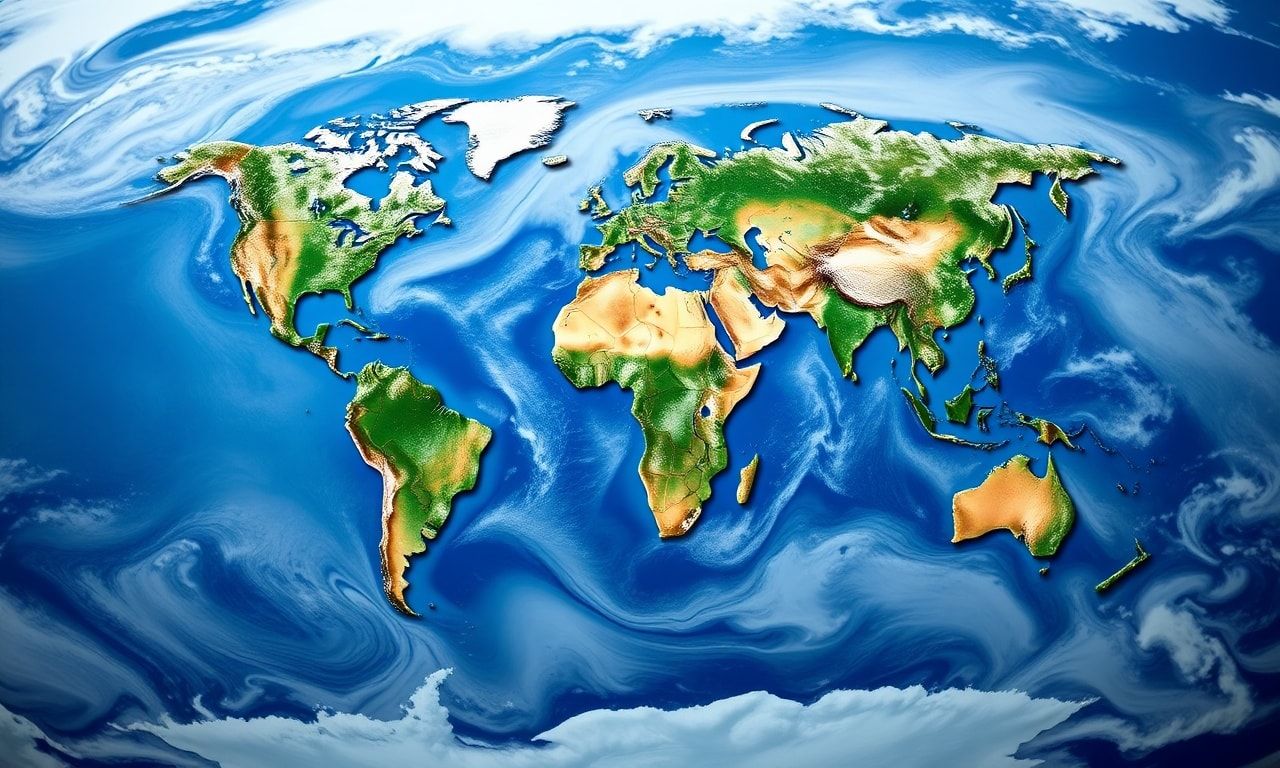
The Influence of Weather on Global Travel
The world has witnessed a series of unprecedented weather events in recent months, significantly impacting international travel. From heavy snowfall in Europe to tropical storms in the Atlantic, these weather patterns have caused widespread disruptions, affecting both leisure and business travel. Airlines and travel agencies are grappling with the challenges posed by these unpredictable weather conditions, leading to delays and cancellations that have ripple effects on the global economy.
Impact on Air Travel
Air travel has been particularly hard hit by these weather anomalies. For instance, the recent heavy snowfall in parts of Europe has led to the closure of several major airports, stranding thousands of passengers. Airlines have had to reroute flights and cancel others, resulting in substantial financial losses. The situation has also highlighted the need for better weather forecasting and contingency planning to mitigate the impact of such events on air travel.
In addition to Europe, other regions have also experienced significant weather-related disruptions. For example, the hava durumu tahmini Türkiye has shown a marked increase in extreme weather events, including heavy rainfall and sudden temperature drops, which have affected both domestic and international flights. These conditions have led to increased demand for accurate weather forecasting tools and services, as travelers and airlines alike seek to minimize the risks associated with unpredictable weather.
Impact on Road Travel
Road travel has not been immune to the effects of extreme weather. In the United States, heavy rainfall and flooding have led to the closure of major highways and bridges, causing significant delays and disruptions for road travelers. The situation has also raised concerns about the resilience of infrastructure in the face of increasingly frequent and intense weather events.
The Role of Weather in Agriculture
Weather patterns also play a crucial role in agriculture, with recent events highlighting the vulnerability of global food systems to climate variability. Droughts, floods, and other extreme weather events can have devastating impacts on crop yields and livestock, leading to food shortages and price volatility. Farmers and agricultural businesses are increasingly turning to advanced weather forecasting tools to help them plan and adapt to these challenges.
Impact on Crop Yields
Crop yields have been particularly affected by recent weather patterns. In Europe, prolonged periods of drought have led to significant reductions in wheat and barley yields, raising concerns about food security in the region. Similarly, in the United States, heavy rainfall and flooding have damaged crops and led to increased pest and disease outbreaks, further exacerbating the situation.
Impact on Livestock
Livestock farming has also been impacted by extreme weather events. In Australia, for example, prolonged drought has led to a significant reduction in pasture availability, forcing farmers to cull their herds and leading to increased meat prices. In contrast, heavy rainfall and flooding in other parts of the world have led to the spread of livestock diseases, further compounding the challenges faced by farmers.
The Need for Better Weather Forecasting
In light of these challenges, there is a growing recognition of the need for better weather forecasting tools and services. Advanced technologies, such as satellite imagery and computer modeling, are increasingly being used to provide more accurate and timely weather forecasts. These tools can help businesses and individuals to better plan and adapt to the impacts of extreme weather events, minimizing the risks and costs associated with these events.
Technological Advancements
Technological advancements in weather forecasting have led to the development of more sophisticated tools and services. For example, the use of artificial intelligence and machine learning algorithms can help to analyze vast amounts of data and provide more accurate forecasts. These technologies can also help to identify patterns and trends that may not be immediately apparent to human forecasters, further enhancing the accuracy and reliability of weather forecasts.
Public Awareness and Education
Public awareness and education are also crucial in helping individuals and businesses to better understand and prepare for the impacts of extreme weather events. Governments and organizations are increasingly investing in public education campaigns to raise awareness about the risks and impacts of extreme weather, and to provide guidance on how to prepare and respond to these events.
In conclusion, the recent series of extreme weather events has highlighted the need for better weather forecasting tools and services, as well as the importance of public awareness and education. By investing in these areas, we can better prepare for and adapt to the impacts of extreme weather, minimizing the risks and costs associated with these events.
As extreme weather events continue to dominate headlines, our latest report, global weather trends analyzed, offers an in-depth look at the shifting climate patterns affecting regions worldwide.
As weather systems continue to influence our daily routines, explore the comprehensive overview of global weather patterns and their significant impacts on current events and news.
In the midst of today’s fast-paced news cycle, consider exploring mindful living practices to maintain balance and perspective.