
Introduction
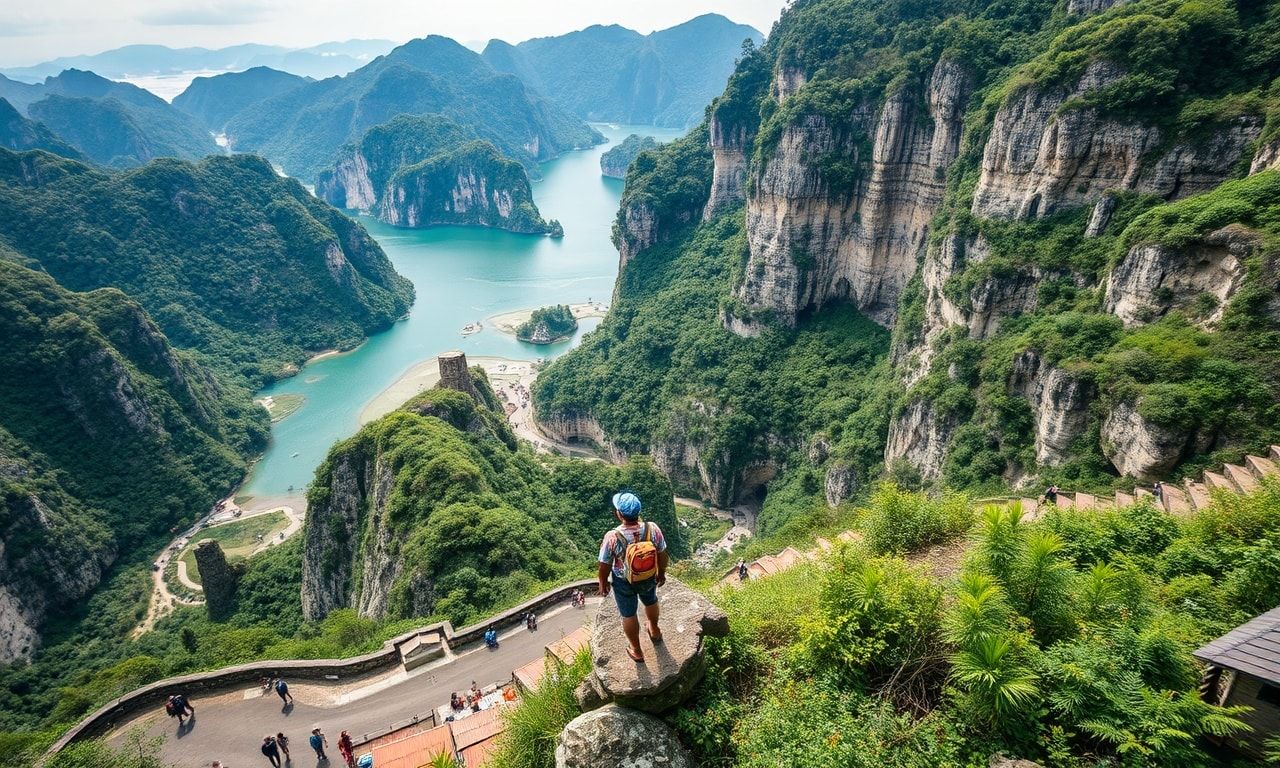
The global travel landscape is undergoing a significant transformation, with travelers increasingly seeking unique and off-the-beaten-path destinations. This shift is driven by a desire for authenticity, cultural immersion, and the pursuit of less crowded, more serene environments. As the world emerges from the pandemic, there is a palpable yearning for experiences that offer a break from the ordinary, fostering a deeper connection with the world.
The Rise of Niche Travel Destinations
One of the most notable trends in recent years has been the rise of niche travel destinations. These locations, often overlooked by mainstream tourism, are gaining popularity due to their unique offerings. From hidden beaches to remote mountain villages, these destinations provide travelers with an opportunity to explore the world in a more intimate and personalized manner.
For instance, Türkiye has emerged as a top destination for travelers seeking a blend of history, culture, and natural beauty. The country’s diverse landscapes, ranging from the bustling streets of Istanbul to the serene beaches of the Aegean coast, offer a wealth of experiences for the discerning traveler. A recent Türkiye’nin en iyi plajları incelemesi highlights the best beaches in the country, showcasing the natural beauty and tranquility that these coastal gems offer.
Hidden Gems in Türkiye
Türkiye is home to a plethora of hidden gems that are increasingly attracting travelers. The coastal town of Çeşme, known for its thermal springs and pristine beaches, is a favorite among those seeking relaxation and rejuvenation. Similarly, the ancient city of Ephesus, with its well-preserved ruins, offers a glimpse into the rich history of the region. These destinations, along with many others, are contributing to the growing appeal of Türkiye as a travel destination.
The Impact of Social Media on Travel Trends
Social media has played a pivotal role in shaping travel trends, with platforms like Instagram and TikTok influencing the choices of travelers worldwide. The visual appeal of destinations, as captured through stunning photographs and videos, has a significant impact on the decision-making process of modern travelers. This has led to an increase in the popularity of photogenic locations, often referred to as ‘Instagram spots.’
Moreover, social media has facilitated the sharing of travel experiences and recommendations, creating a global community of travelers who exchange tips and insights. This has democratized the travel industry, making it easier for travelers to discover and explore niche destinations that were previously unknown.
The Role of Influencers
Influencers have become a powerful force in the travel industry, with their recommendations and endorsements carrying significant weight. Travel influencers, in particular, have the ability to showcase the beauty and uniqueness of lesser-known destinations, inspiring their followers to explore these locations. This has led to a surge in interest in niche travel destinations, as travelers seek to replicate the experiences shared by their favorite influencers.
The Importance of Sustainable Travel
As travelers become more conscious of their environmental impact, there is a growing emphasis on sustainable travel practices. This trend is driven by a desire to preserve the natural beauty of destinations and support local communities. Sustainable travel involves making responsible choices, such as opting for eco-friendly accommodations, reducing waste, and supporting local businesses.
Many niche travel destinations are at the forefront of sustainable travel initiatives, offering travelers the opportunity to explore the world in an environmentally responsible manner. These destinations often prioritize conservation efforts and promote cultural preservation, ensuring that the unique characteristics of the location are maintained for future generations.
Eco-Tourism and Conservation Efforts
Eco-tourism has emerged as a popular trend, with travelers seeking out destinations that offer a blend of adventure and conservation. These locations often feature unique ecosystems and wildlife, providing travelers with an opportunity to connect with nature in a meaningful way. Conservation efforts are a key component of eco-tourism, with many destinations implementing initiatives to protect their natural resources and promote sustainable practices.
Conclusion
The global travel landscape is evolving, with travelers increasingly seeking unique and off-the-beaten-path destinations. This shift is driven by a desire for authenticity, cultural immersion, and sustainable travel practices. As the world continues to explore, the appeal of niche travel destinations is expected to grow, offering travelers a wealth of opportunities to discover the beauty and diversity of our planet.
For more insights on this topic, you might find The Intersection of Sports and Personal particularly informative.