
The Interconnected World of Real Estate
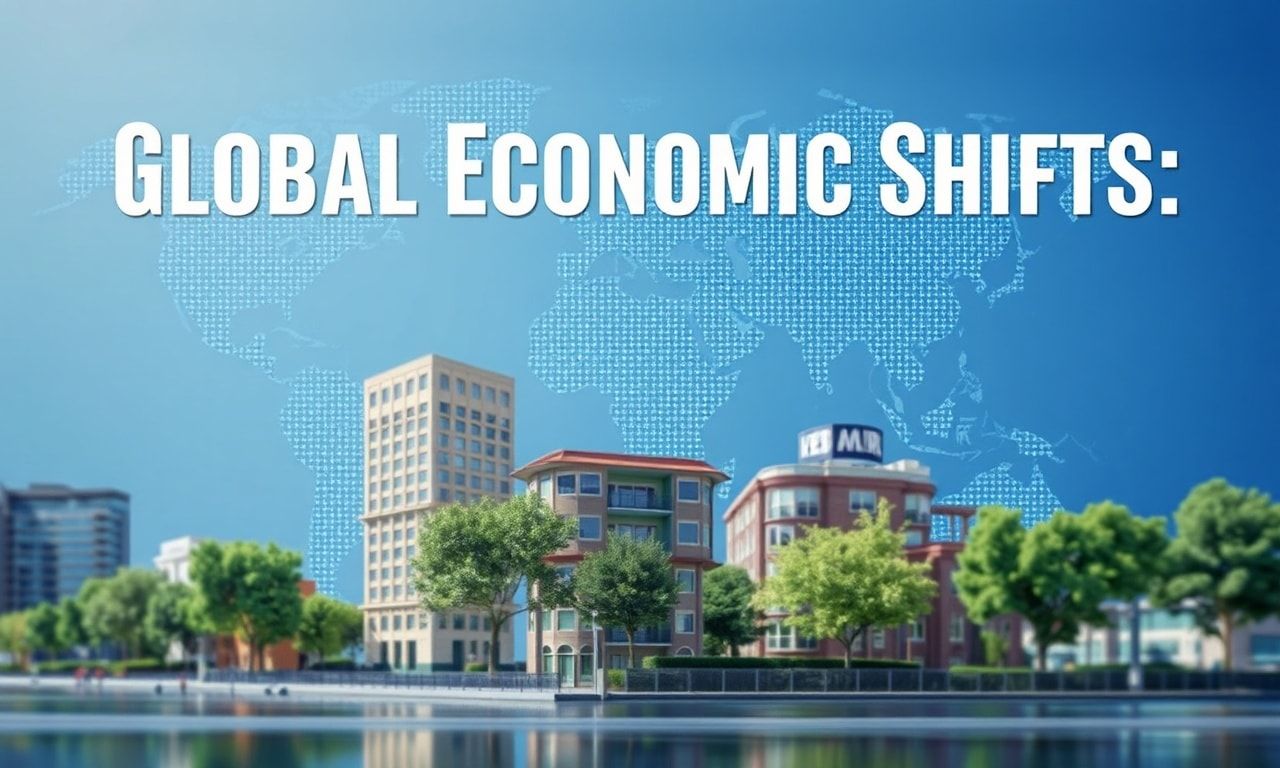
The global economy is more interconnected than ever before, and one of the most significant indicators of this interconnectedness is the real estate market. Fluctuations in international real estate markets can have profound effects on local economies, influencing everything from employment rates to consumer spending. As cities around the world experience varying degrees of growth and decline, it is essential to understand how these changes impact the broader economic landscape.
The Impact of New York City’s Real Estate Market
New York City, often considered the epicenter of global real estate, has seen significant shifts in recent years. The New York City real estate market updates reveal a dynamic environment where luxury developments and affordable housing initiatives coexist. These changes have far-reaching implications, not just for the city itself but for other major metropolitan areas as well. For instance, the influx of international investors into New York’s real estate market has led to increased demand for high-end properties, driving up prices and influencing similar trends in other global cities.
Moreover, the real estate market in New York City serves as a barometer for economic health. When the market thrives, it often signals a robust economy, attracting businesses and talent from around the world. Conversely, downturns in the market can indicate broader economic challenges, prompting a ripple effect that extends to local economies dependent on real estate-driven growth.
Local Economies and Global Trends
Local economies are not immune to the fluctuations of global real estate markets. Cities like London, Tokyo, and Sydney have experienced significant impacts due to international real estate trends. For example, the Brexit referendum in the UK led to uncertainty in the London real estate market, causing a temporary slowdown in property investments. Similarly, Tokyo’s real estate market has seen a resurgence in recent years, driven by a combination of domestic and international demand, which has positively influenced the city’s economic growth.
In Australia, the Sydney real estate market has been a subject of intense scrutiny. The city’s property market has experienced both boom and bust cycles, influenced by factors such as immigration policies, interest rates, and global economic conditions. These fluctuations have had a direct impact on local businesses, employment rates, and consumer confidence, highlighting the interconnected nature of real estate and the broader economy.
The Role of Technology and Innovation
Technology and innovation are playing an increasingly important role in shaping real estate markets around the world. The rise of proptech (property technology) has revolutionized the way real estate is bought, sold, and managed. From virtual tours to blockchain-based transactions, technology is streamlining processes and making the market more accessible to a global audience.
Innovative solutions are also addressing some of the challenges faced by local economies. For instance, smart cities are leveraging technology to create more sustainable and efficient urban environments. These initiatives not only improve the quality of life for residents but also attract investment and drive economic growth. As technology continues to evolve, its impact on real estate markets and local economies will only become more pronounced.
Future Outlook and Considerations
Looking ahead, the global real estate market is poised for continued growth, albeit with some challenges. Economic uncertainties, regulatory changes, and environmental concerns will all play a role in shaping the future of real estate. Cities that can adapt to these changes and leverage their unique strengths will be better positioned to thrive in the years to come.
For local economies, the key to success lies in understanding the broader trends influencing the real estate market and developing strategies to mitigate potential risks. By fostering a business-friendly environment, investing in infrastructure, and promoting sustainable development, cities can create a robust foundation for economic growth and stability.
In conclusion, the interconnected nature of global real estate markets presents both opportunities and challenges for local economies. By staying informed about international trends and leveraging technology and innovation, cities can navigate the complexities of the real estate landscape and build a prosperous future for their residents.
To stay informed about the latest updates, check out recent developments in New York Metro that have been making headlines.
As the United States prepares for its Independence Day, a new article explores the deeper significance of celebrations beyond the traditional festivities.
To understand how real estate shapes local communities, delve into events fostering neighborhood connections and their impact on property dynamics.