
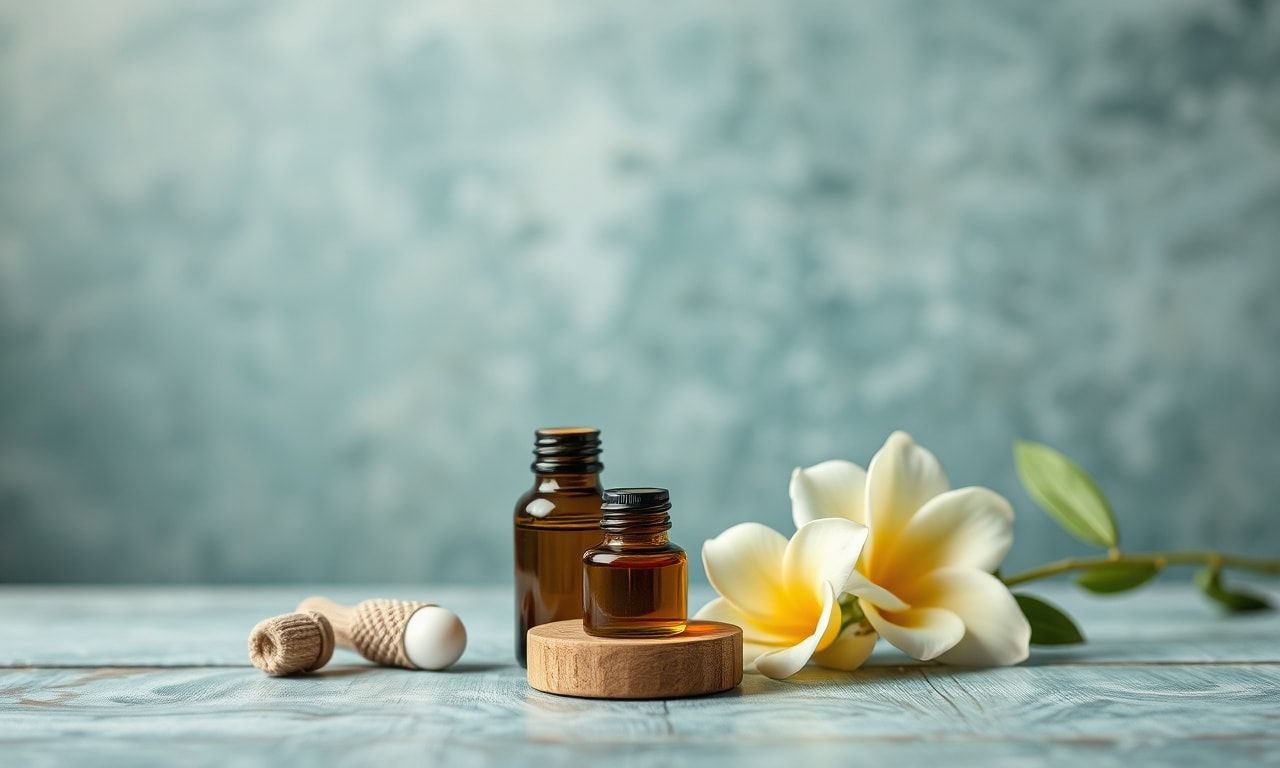
The Rise of Alternative Relaxation Methods
The modern world is increasingly recognizing the importance of mental health and relaxation techniques. Amidst the hustle and bustle of daily life, people are turning to various methods to unwind and find inner peace. One such method that has gained attention is the practice of Catholic aromatherapy, which combines the spiritual aspects of Catholicism with the therapeutic benefits of aromatherapy.
Understanding Catholic Aromatherapy
Catholic aromatherapy is a unique blend of traditional Catholic practices and the use of essential oils to promote relaxation and spiritual well-being. This method is rooted in the belief that certain scents can enhance prayer and meditation, creating a deeper connection with the divine. The use of specific oils, such as frankincense and myrrh, which have historical significance in Catholic rituals, is central to this practice. For those interested in exploring this method, resources like Catholic aromatherapy for relaxation offer valuable insights and guidance.
The Role of Essential Oils
Essential oils play a crucial role in Catholic aromatherapy. These oils are derived from plants and are believed to have various therapeutic properties. For instance, lavender is known for its calming effects, while peppermint can invigorate the senses. In the context of Catholic aromatherapy, these oils are used to create a serene environment conducive to prayer and reflection. The combination of these natural elements with Catholic rituals aims to provide a holistic approach to relaxation and spiritual growth.
Other Popular Relaxation Techniques
While Catholic aromatherapy is gaining traction, there are numerous other relaxation techniques that people find beneficial. These methods range from traditional practices to modern innovations. Some of the most popular techniques include:
- Meditation: A practice that involves focusing the mind to achieve a state of calm and clarity.
- Yoga: A physical and spiritual discipline that combines postures, breathing exercises, and meditation.
- Mindfulness: The practice of being fully present and engaged in the current moment.
- Deep Breathing Exercises: Techniques that involve controlled breathing to reduce stress and anxiety.
- Nature Therapy: Spending time in natural settings to promote relaxation and mental well-being.
The Science Behind Relaxation Techniques
Research has shown that these relaxation techniques can have a significant impact on both mental and physical health. For example, studies have demonstrated that meditation can reduce stress and anxiety levels, while yoga has been found to improve flexibility and reduce chronic pain. The practice of mindfulness has been linked to improved emotional regulation and cognitive function. Deep breathing exercises have been shown to lower heart rate and blood pressure, promoting a state of relaxation. Nature therapy, or ecotherapy, has been found to reduce stress and improve mood by connecting individuals with the natural world.
The Importance of Relaxation in Daily Life
Incorporating relaxation techniques into daily life can have profound benefits. Chronic stress can lead to a variety of health issues, including heart disease, high blood pressure, and mental health disorders. By practicing relaxation techniques regularly, individuals can mitigate these risks and improve their overall well-being. Moreover, relaxation techniques can enhance productivity and creativity, as a calm and focused mind is better equipped to tackle challenges and solve problems.
Creating a Relaxation Routine
Establishing a relaxation routine is essential for reaping the benefits of these techniques. This routine can include a combination of different methods, tailored to individual preferences and needs. For instance, one might start the day with a short meditation session, followed by a yoga practice in the afternoon, and end the day with a deep breathing exercise. Consistency is key, as regular practice can lead to long-term benefits. Additionally, creating a relaxing environment, such as a quiet space with comfortable seating and soothing lighting, can enhance the effectiveness of these techniques.
Conclusion
The exploration of unique relaxation techniques, such as Catholic aromatherapy, highlights the diverse approaches people take to achieve mental and spiritual well-being. Whether through traditional practices or modern innovations, the goal remains the same: to find inner peace and balance in a fast-paced world. By incorporating these techniques into daily life, individuals can improve their overall health and quality of life, ultimately leading to a more fulfilling and balanced existence.