
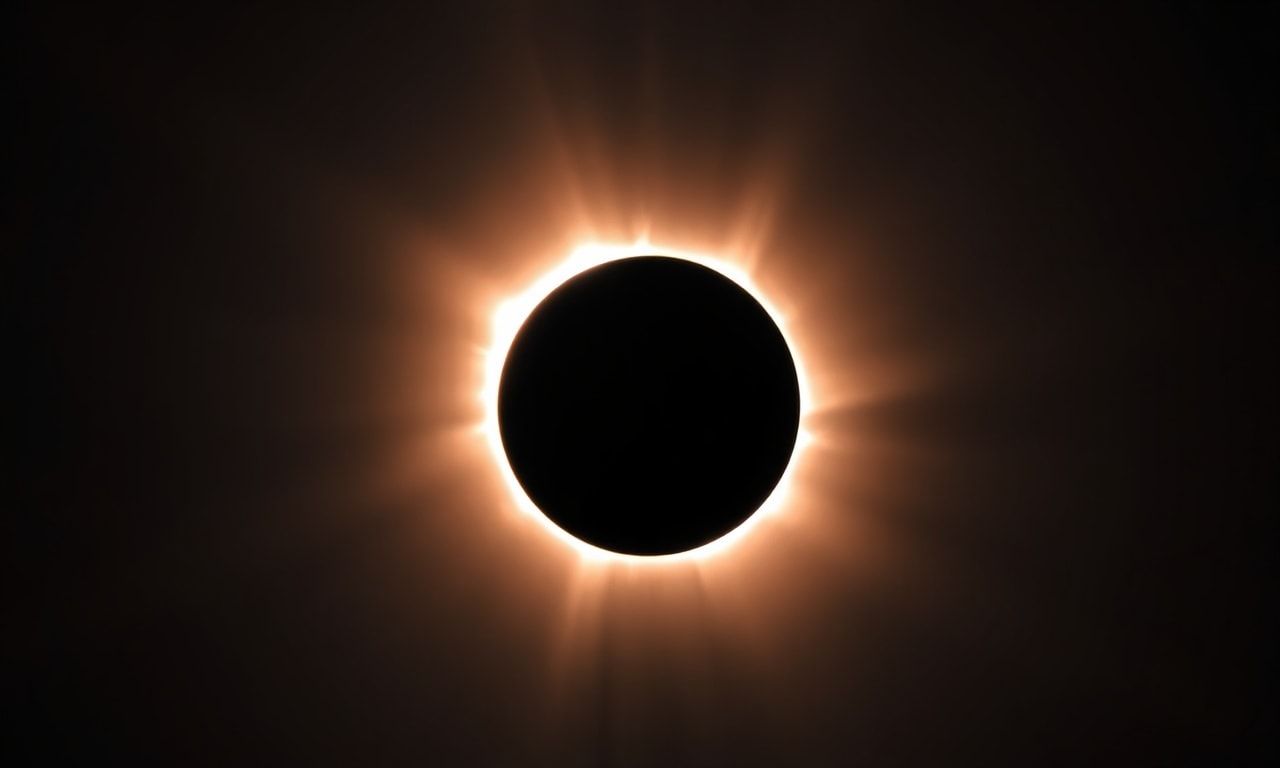
The Great American Eclipse of 2024
The world witnessed a breathtaking celestial event on April 8, 2024, as a total solar eclipse swept across North America. This rare phenomenon, often referred to as the “Great American Eclipse,” captivated millions of spectators who gathered to observe the moon’s passage between the Earth and the Sun. The eclipse began its journey over the Pacific Ocean, making landfall in Mexico before traversing the United States from Texas to Maine, and finally exiting over Canada’s Atlantic coast.
Scientific Significance and Research Opportunities
The 2024 solar eclipse presented a unique opportunity for scientists and researchers to study the Sun’s corona, a region of the solar atmosphere that is typically difficult to observe. NASA and other space agencies took advantage of this event to conduct various experiments and observations. For instance, high-altitude balloons equipped with scientific instruments were launched to capture data from the edge of space, providing valuable insights into the Sun’s outer atmosphere. Additionally, ground-based telescopes and satellites were strategically positioned to monitor the eclipse, contributing to our understanding of solar phenomena.
Public Engagement and Safety Measures
In anticipation of the eclipse, numerous organizations and educational institutions organized public viewing events and educational programs to promote safe viewing practices. The importance of using certified solar eclipse glasses or indirect viewing methods was emphasized to prevent eye damage. Despite the cloudy weather in some regions, enthusiasts and families alike gathered in parks, observatories, and other open spaces to witness the celestial spectacle. The event also sparked a surge in interest in astronomy, with many people seeking out resources to learn more about eclipses and the science behind them.
For those who missed the live event or wish to relive the experience, numerous online platforms and news outlets provided live streams and updates. Websites like world news highlights today offered comprehensive coverage, including expert commentary and real-time images from various locations along the eclipse’s path. These resources ensured that even those unable to witness the eclipse in person could still appreciate its grandeur.
Cultural and Historical Significance
Solar eclipses have long held cultural and historical significance across various civilizations. Ancient cultures often interpreted eclipses as omens or divine messages, and many myths and legends have been inspired by these celestial events. In modern times, eclipses continue to inspire awe and wonder, serving as a reminder of the vastness and beauty of the universe. The 2024 eclipse, in particular, brought communities together, fostering a sense of shared experience and curiosity about the natural world.
Future Eclipses and Continued Exploration
The 2024 solar eclipse was a remarkable event, but it is not the last of its kind. Future eclipses are already on the horizon, with the next total solar eclipse set to occur on August 12, 2026, visible from the Arctic, Greenland, and parts of Spain. Astronomers and enthusiasts alike are eagerly anticipating these future events, which will provide further opportunities for scientific discovery and public engagement. As our understanding of the Sun and its interactions with Earth continues to grow, eclipses will remain a vital tool for exploration and education.
The 2024 solar eclipse was a testament to the enduring fascination with celestial phenomena. It brought together scientists, educators, and the general public in a shared celebration of the cosmos. As we look to the future, the lessons learned and the data collected from this event will undoubtedly contribute to our ongoing quest to unravel the mysteries of the universe.
As the world witnesses this celestial event, understanding the science behind it is crucial; explore the solar eclipse phenomenon in our latest feature.
In the realm of celestial events, solar eclipse details emerge that captivate both scientists and enthusiasts alike.
As the world anticipates this rare celestial event, our latest report, the 2023 solar eclipse details, offers a comprehensive look at what to expect.