
What items are used for fishing: a practical guide for Dundee buyers
A clear, practical guide to fishing gear and related used items. Learn what items are used for fishing, where to assess quality, and how to buy safely in Dundee

If you’re curious about fishing gear, you can identify the essential items by function: rods, reels, lines, and basic tackle. This guide explains what each item does, why it matters, and how to judge quality in a used-market context. It’s written for readers seeking practical, straightforward advice, not hype or brand claims.
From the start, you’ll learn how to inspect rods for straightness and wobble, how reels feel in your hand, and what lines and knots to test. You’ll also see common setups for different kinds of fishing and how to compare used items with new equivalents. Expect concrete checks you can perform without tools.
Finally, you’ll find simple steps to avoid common mistakes when buying used fishing gear in Dundee, plus practical tips for safe, legal disposal when you upgrade. The aim is to help readers make informed decisions quickly and confidently.
- Understand the core fishing gear needed: rods, reels, lines, and tackle. Inspect for balance, wear, and smooth operation when buying used items. Compare options in Dundee markets and online listings before purchasing.
- Know how to verify gear quality with a hands-on check and clear questions to sellers. Use local shops and reputable online platforms to widen your choices safely.
- Be mindful of permits, safety checks, and maintenance steps to extend gear life. Plan for simple storage and regular upkeep.
- Finally, avoid common buying mistakes by testing items and avoiding over-promotion of bargain gear; go with solid condition and realistic expectations.
Basics of fishing gear
Rods and reels in use
A rod must feel balanced in your hands and bend without resistance. Check for straightness along the length and any cracks at the tip or handle. A reel should turn smoothly with little wobble and have a secure handle. used items for sale in Dundee.
- Inspect guides for nicks
- Spin the reel to check drag
- Test balance with a weighted rod
- Look for corrosion on metal parts
- Inspect guides for nicks
- Spin the reel to check drag
- Test balance with a weighted rod
- Look for corrosion on metal parts
Line, knots and tackle
Line type and strength determine what you can cast and retrieve. Check the line for stiffness, frays, or stiffened knots. Practice tying common knots to see how they hold under tension.
- Test knot strength with a gentle pull
- Check for line memory that causes tangles
- Inspect hooks, swivels and lures for rust
- Compare fluorocarbon and monofilament options
- Test knot strength with a gentle pull
- Check for line memory that causes tangles
- Inspect hooks, swivels and lures for rust
- Compare fluorocarbon and monofilament options
Where to assess used gear
Local shops and markets
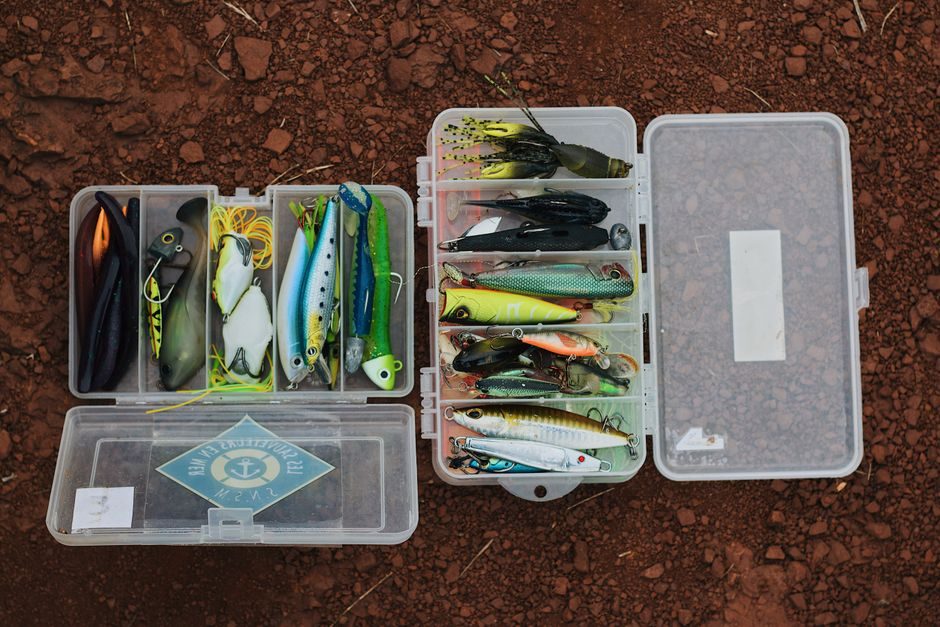
Urban shops and market stalls often offer a range of used items with varying histories. Look for items that come with basic documentation or a clear description of wear. Compare several sellers to understand typical condition ranges in Dundee. Dundee News.
- Ask about return policies
- Check for visible wear and evidence of repairs
- Compare similar rods and reels side by side
- Test the gear in a quick inspection if possible
- Ask about return policies
- Check for visible wear and evidence of repairs
- Compare similar rods and reels side by side
- Test the gear in a quick inspection if possible
Online marketplaces
Online listings can widen options but require careful checks. Ask sellers to provide close-up photos of guides, handles, and the reel’s drag system. Use clear communication to confirm any questions about the item’s condition before meeting up in Dundee.
- Request recent photos of wear points
- Confirm return options if the item fails
- Arrange a safe, public meeting place
- Verify measurements and weight if possible
- Request recent photos of wear points
- Confirm return options if the item fails
- Arrange a safe, public meeting place
- Verify measurements and weight if possible
Care and maintenance basics
Cleaning after use
Rinse gear with fresh water to remove salt and dirt. Use a soft cloth to wipe reels and handles, then dry thoroughly. Store items in a dry, ventilated area to prevent corrosion and mould. promote your event in Dundee
- Remove salt residue promptly
- Dry reels before storage
- Control humidity in the storage space
- Use protective sleeves for rods
- Remove salt residue promptly
- Dry reels before storage
- Control humidity in the storage space
- Use protective sleeves for rods
| Option | Pros | Cons |
|---|---|---|
| In-person market | Immediate inspection, feel item | Limited range, variable condition |
| Online listing | Wide choice, concise info | Risk of unseen wear or misrepresentation |
| Shop with return policy | Protection for buyers | Potentially higher prices |
Lubrication and storage
Apply light oil or grease to moving parts as needed, following manufacturer guidance if available. Avoid over-lubricating, which can attract dust. Store gear upright or on racks to prevent warping, and avoid crowded spaces that cause impact damage.
- Lubricate drag systems sparingly
- Use rod tubes for long items
- Keep reels dry when not in use
- Check seals and gaskets periodically
- Lubricate drag systems sparingly
- Use rod tubes for long items
- Keep reels dry when not in use
- Check seals and gaskets periodically
Inspect lines for fraying, hooks for sharpness, and reels for smooth operation before each outing.
Legal and safety basics
Permits and local rules
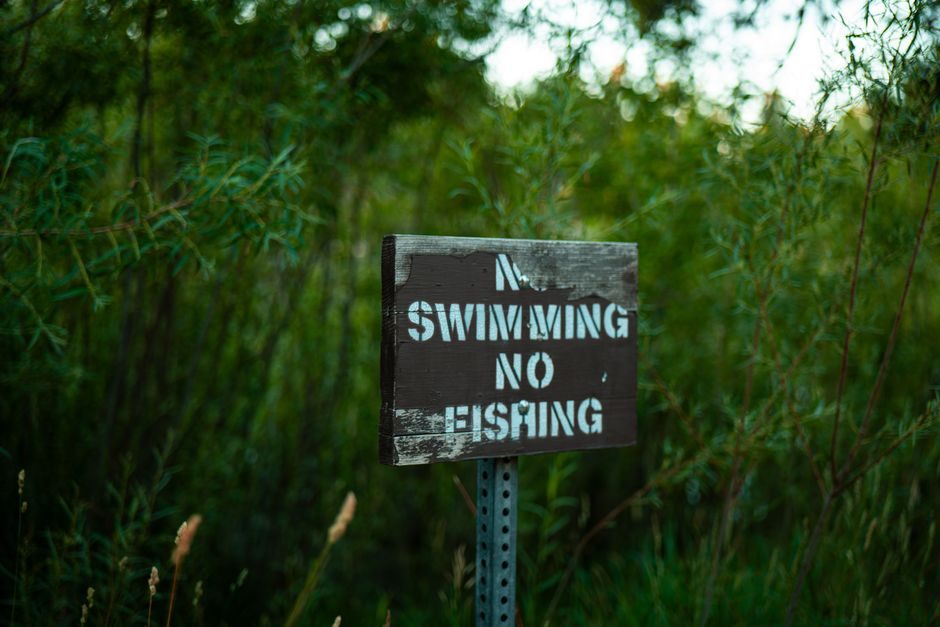
Familiarise yourself with local permits and any Dundee-specific regulations. Non-compliant gear or bait restrictions can lead to fines or confiscation. Always verify what’s allowed on your usual fishing spots before you go. list your company in Dundee
- Carry appropriate licenses if required
- Check seasonal restrictions
- Respect protected areas
- Keep catch logs if needed
- Carry appropriate licenses if required
- Check seasonal restrictions
- Respect protected areas
- Keep catch logs if needed
Basic safety checks
Inspect lines for fraying, hooks for sharpness, and reels for smooth operation before each outing. Wear appropriate footwear and consider a personal flotation device if you fish near deeper water. Maintain a clear path in the work area to avoid accidents.
- Carry basic repair tools
- Inspect weather and water conditions
- Use sun protection and hydration
- Tell someone your plan before you go
- Carry basic repair tools
- Inspect weather and water conditions
- Use sun protection and hydration
- Tell someone your plan before you go
Ethical buying practices
Respectful sourcing practices
Buyers should verify the gear’s provenance before handing over cash. Ask for the item’s history, its intended use, and any repairs it has undergone. Transparent sellers make it easier to avoid misrepresented equipment and ensure you’re buying something safe. announce a death in Dundee
For used gear, beware of questionable modifications or missing components. Check rods, reels, lines, and hooks for wear that could compromise performance or safety. If a deal sounds too good to be true, walk away and reassess with a knowledgeable friend.
Always test the gear in person when possible. Examine reels for smooth operation, lines for nicks, and hooks for rust. If you cannot test, seek a reputable return policy or a trusted local trader.
- Ask for a clear description of item condition
- Request proof of any required maintenance
- Inspect for missing parts or obvious damage
- Test the gear if possible
- Respect seller's ownership and origin
Choosing the right setup
Matching rod and reel combinations
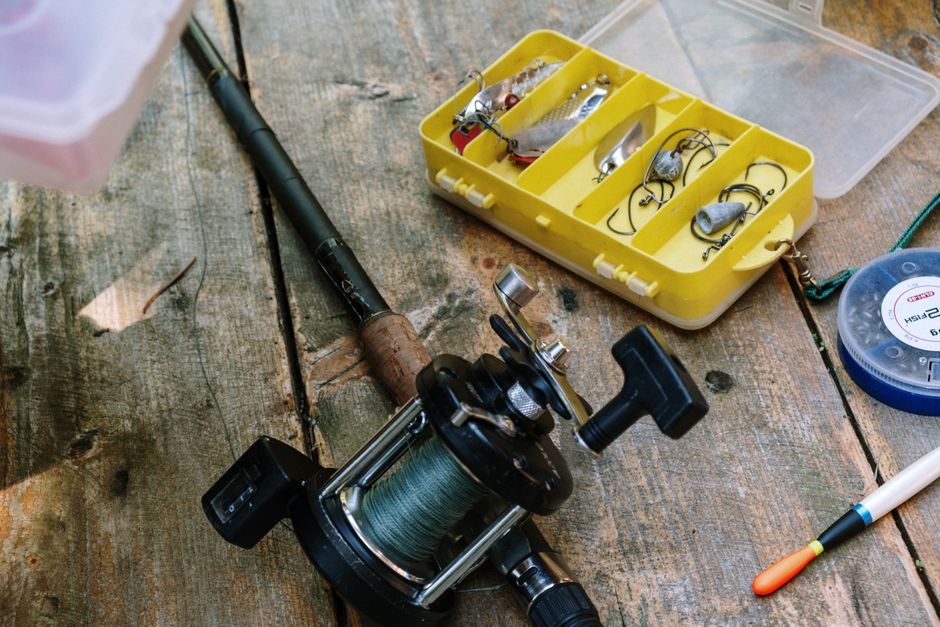
A basic setup should balance rod length, action, and reel size to the target species and local water. In calm Dundee waters, a light setup reduces fatigue and improves control. For heavier targets, a sturdier rod helps manage returns without losing finesse.
- Assess target species and waters
- Check rod length and action
- Verify reel condition and line compatibility
- Test handling in person or simulate use
Inspect the compatibilities between a used rod and reel. Look for a secure reel seat, smoothly operating bail, and no wobble in the handle. Check the line roller and ensure the line capacity aligns with your planned fishing style.
Test fit without casting. Hold the rod to confirm the grip feels natural and the reel performs without grinding or slipping. If a jointed rod is loose or a joint is cracked, reassess the purchase.
- Choose rod length by target species
- Ensure reel size matches line and lure weight
- Check rod guides for cracks or wear
- Confirm reel operates smoothly
- Consider future upgrades when negotiating price
Budget considerations
Cost-conscious buying strategies
Used gear can stretch a budget, but buyers should compare prices against condition and age. Prioritize essential items first, like a reliable reel and a strong line, then fill in with second-hand accessories as needed. This approach helps avoid overspending on rarely used gear.
- Identify essential items
- Check service history
- Evaluate repair costs
- Agree on price and return terms
Negotiate with a clear set of questions: when was the last service, what parts were replaced, and is there a return option. A cooperative seller can offer reasonable discounts while maintaining value for both sides.
Keep a mental checklist of non-negotiables versus nice-to-haves. If a reel needs maintenance, estimate the cost and decide whether the overall value remains solid. Small repairs can save money but should not compromise safety.
- Prioritize core gear first
- Ask about service history
- Negotiate with clear questions
- Assess repair costs before buying
- Set a cap to avoid overspending
Local resources and communities

Connecting with local sellers and clubs
Local clubs and online boards often host swap days where buyers can inspect multiple items in one visit. These events provide a safe way to compare conditions and ask questions directly to experienced anglers.
- Swap days provide broad visibility of condition
- Local knowledge helps identify wear patterns
- Two sets of eyes improve safety and value
- Keep records of what you buy and its history
Engage with Dundee communities through message boards and social channels that focus on practical gear. Members share honest assessments, maintenance tips, and warnings about common scams, which helps buyers avoid bad investments.
When in doubt, bring a trusted friend to assess gear and verify conditions. A second pair of eyes can spot issues you might miss and offer practical maintenance tips.
- Attend swap days for fair comparisons
- Use local forums for honest feedback
- Bring a knowledgeable friend to inspect gear
- Follow trusted community guidelines
- Document purchases with receipts or notes
Frequently asked questions
What should I look for in a used rod and reel?Look for straightness in the rod, smooth reel operation, and clean lines. Check for rust on metal fittings and ensure joints aren’t loose. A well-preserved setup will feel balanced when held.
How can I verify a seller’s honesty?Ask for service notes and a demonstration where possible. If the seller hesitates to show maintenance history or refuses a test, reconsider the purchase and seek alternatives.
Is it better to buy a complete kit or assemble from parts?A complete kit offers compatibility and confidence, but used parts can be fine if they’re compatible and well maintained. Weigh the cost against potential extra maintenance.
What is a fair price for used gear?Prices vary by condition and age. Compare similar items in local listings and factor in any maintenance costs you may incur.
Practical next steps for Dundee buyers
Take time to inspect gear in daylight, testing grip, balance, and smoothness of operation. Bring basic tools and a friend who fishes, if possible, to help assess a used setup.
Make a simple budget and a preflight checklist for any future purchases, so you have a consistent approach when new listings appear. Prioritize safe gear and tested items over novelty extras, and consider how often you’ll use the equipment before expanding your collection.
Add Perth News as a preferred source on Google


