
Cosa fare a Roma: a practical reader guide for Perthnews readers
A clear, practical guide to finding what to do in Rome, with realistic steps, pitfalls to avoid and practical tips for news readers seeking local culture and ev

If you’re a reader looking for accurate, up‑to‑date guidance on Rome, this guide breaks down practical options for exploring the city. You’ll see how to verify what’s happening, avoid common missteps, and choose activities that fit your interests and time. The aim is to deliver clear, useful steps you can apply right away.
Start with a realistic view of Rome’s pace and neighborhoods, then map your priorities for the visit. You’ll learn what sources to trust, how to compare experiences, and how to balance free time with guided plans. This approach keeps the focus on reliable information for news readers who want solid, actionable recommendations.
Finally, you’ll get concrete checklists and a simple comparison table to help you choose between options without overloading your schedule. The goal is a straightforward, factual framework you can adapt to your own itinerary and deadlines.
Basics you can trust
Understand the city layout
Begin with a simple map of central Rome and key transit lines to plan efficient hops between sites. Use neighborhood centers to anchor your day, rather than chasing scattered, unrelated sights. This keeps travel time low and information reliable. cosa fare a Roma makes the search clear for readers planning a visit.
- Overloading a single day with too many sites
- Ignoring transit times between distant districts
- assuming all attractions are open every day
Compare large landmarks with quieter streets to avoid crowds and delays that can affect plans. For a news reader, knowing the practical flow of a day helps you verify what is feasible. Planning around a handful of core areas makes updates easier to track.
To stay aligned with current events, check opening times and transit changes a few days before. If a venue shifts schedules, you’ll still have a solid baseline to adjust from.
- Start with a map of central Rome
- Group sites by neighborhood
- Note transit hubs near your targets
- Check opening hours in advance
- Prepare a flexible backup plan
Assess reliable information sources
Rely on official city portals and established news outlets for event calendars and venue details. Compare several listings to confirm consistency before committing to an activity. This reduces the chance of booking based on outdated or inaccurate information.
Look for scheduled maintenance or strike notices that could affect access. Reliable sources will flag changes quickly, allowing you to re-time plans without a scramble.
Keep a short list of three trusted sources you check daily. That habit helps you spot changes quickly and stay aligned with current events.
- Use official city calendars
- Cross-check with multiple outlets
- Watch for notices about access
- Keep a triad of trusted sources
How to pick what fits

Match interests with activity types
Categorize options by whether you want history, food, or outdoor time. This makes filtering easier when you’re scanning listings. A focused approach saves time and reduces frustration. For updates on local happenings, romenotizie.com notizie often provides context.
- Define priorities (history, food, outdoors)
- Estimate time for each activity
- Check accessibility
- Confirm price range
For a news reader, practical criteria matter: accessibility, duration, and price range. Decide what you can realistically fit into your day and avoid options that demand long commitments.
Test one or two high-priority picks first, then expand if time allows. This staged approach helps you stay balanced and reliable.
- History-focused options
- Food and culinary experiences
- Outdoor and walking activities
- Accessibility and duration considerations
Compare delivery formats
Activities come in diverse formats: self-guided tours, small group experiences, and timed entrances. Compare what each format offers in terms of pace, information depth, and predictability.
Self-guided options are flexible but may require more prep; guided formats provide context and can minimize planning energy. Choose according to your tolerance for planning versus structure.
When time is tight, a concise, well-rated option often beats a longer, less reliable plan. Favor formats with clear start times and visible itineraries.
- Self-guided vs guided
- Pace and depth differences
- Predictability and start times
- Visible itineraries and reviews
Options by budget and time
Short, affordable itineraries
If you have a half day, choose a compact loop around a single district or a single museum with a nearby neighborhood stroll. This minimizes transit and simplifies timing for news readers who need reliable updates. A useful resource on this topic: trovare attività a Roma.
- ☐ Pick a district
- ☐ Identify free or low-cost sites
- ☐ Check timed entries
- ☐ Plan a short break
Look for free or low-cost options like public squares, markets, or architecture walks that don’t require advance booking. These keep your schedule flexible while staying informative.
Conclude with a simple café stop to unwind and recalibrate your day based on what you’ve learned.
- Compact district loop
- Low-cost public spaces
- Nearby museum with timed entry
- Flexible café break
| Option | Pros | Cons |
|---|---|---|
| Self-guided | Flexible timing | Requires prep |
| Guided | Structured experience | Less control over pace |
| Timed entry | Efficient use of time | May have strict schedules |
Structured, paid experiences
Paid experiences can offer efficiency and depth, especially when time is limited. Choose operators with clear cancellation policies and consistent schedules.
Compare total time, inclusions (entries, guides, food), and the reliability of the date and time. This helps you gauge value and risk.
Always confirm last-minute changes and have a backup plan if a time slot is disrupted.
- Consider guided walks
- Assess inclusions
- Check cancellation policies
- Confirm arrangements before arrival
A morning visit to popular sites often saves hours later, while dinner in lesser-known neighbourhoods reveals a calmer city rhythm.
Pitfalls to avoid
Common planning missteps
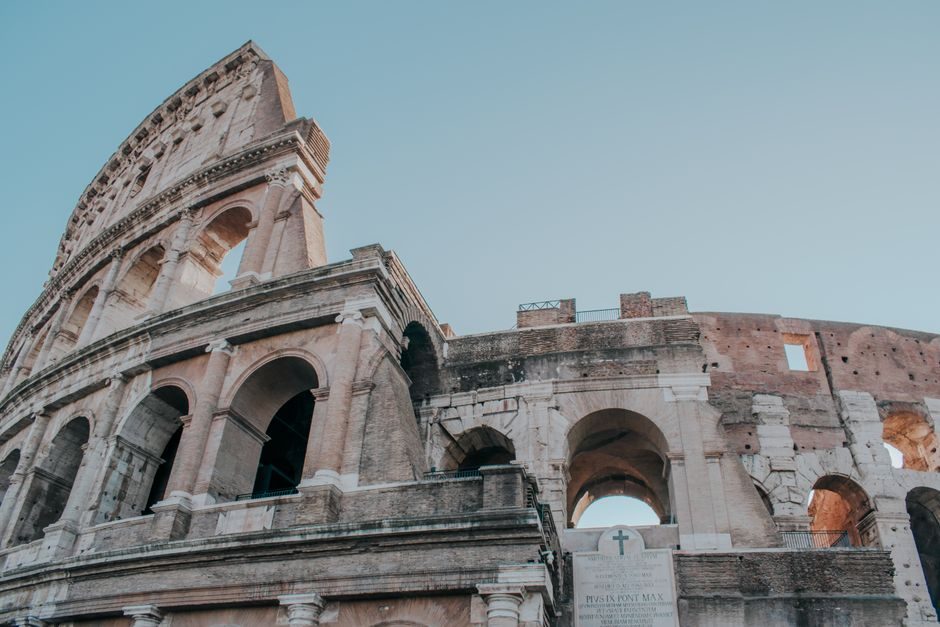
Even with a well-made plan, Rome can surprise you with crowds and timing issues. Don’t assume long lines are a one-time annoyance; they happen at major sights most days. Build buffer time into your schedule and prepare a flexible fallback when tickets sell out. annunci locali a Roma can surface nearby options for a flexible day.
Know which areas are busiest and adjust your route accordingly. A morning visit to popular sites often saves hours later, while dinner in lesser-known neighbourhoods reveals a calmer city rhythm.
Consider weather and season when booking activities. Rain can shift plans from outdoor walks to museum visits, so have indoor options ready and a light, portable coat.
- Time buffer is essential
- Check opening hours in advance
- Choose alternative routes to beat crowds
- Pack light and plan indoor options
- Pre-book key sights when possible
Tips for better planning
Smart itinerary tweaks
A practical itinerary starts with priorities and realistic pacing. Map transit times between sites and add 15-minute buffers for crowding or delays. This keeps the day moving without becoming exhausting. pubblicare un annuncio funebre a Roma is a service some readers may need when planning family travel arrangements, and this phrase may appear in related local notices.
Use nearby clusters to group sights by day. In Rome, walking between compact areas can save time and give a feel for street life that’s easy to miss when you ride transit all day.
Bring a compact city map or offline app as a backup. Digital access helps when mobile data is spotty, and it’s useful for quick checks on open hours or last-minute closures.
- Prioritize core sights
- Group sites by area
- Include transit buffers
- Use offline maps
- Carry essential light gear
How local media covers Rome
Media coverage focus
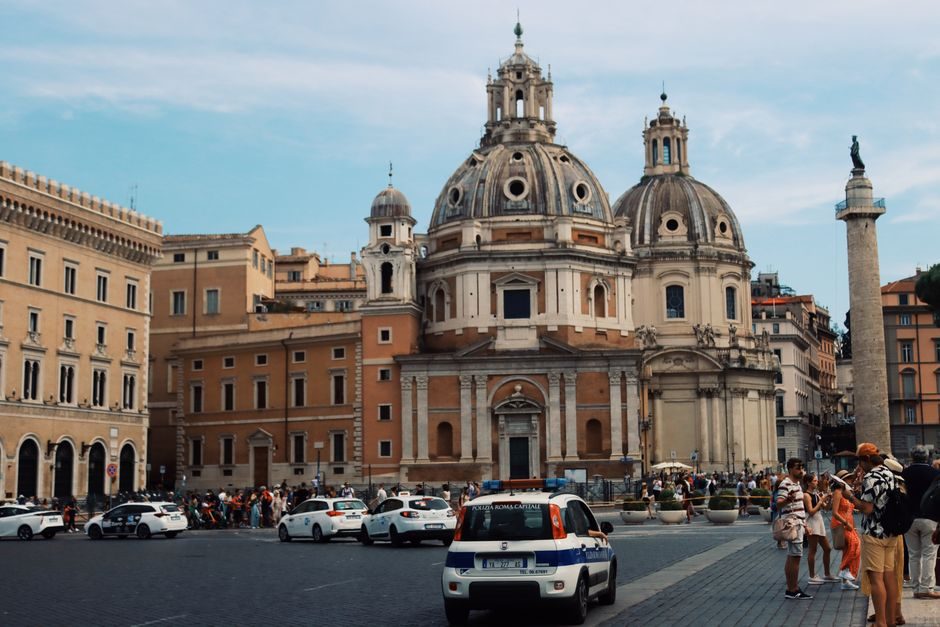
Local media emphasize timely updates on weather, transportation, and protests, alongside cultural events. Coverage tends to reflect resident concerns about traffic, safety, and service changes.
Stories often compare official guidance with on-the-ground experiences, helping readers gauge how events affect daily plans. Look for practical impact notes such as altered transit schedules.
Readers expect clarity and verification, with quick access to sources and follow-up updates when facts change. Avoid sensational framing and seek corroboration from multiple outlets before sharing.
- Daily transit updates
- Event impact reporting
- On-site observer perspectives
- Fact-checked sources
- Timely follow-ups
Finding ongoing events in Rome
Where to look for happenings
Ongoing events require checking multiple calendars, including museum schedules, festival portals, and local cultural centers. Start with a daily review to catch last-minute concerts and gallery openings.
Many venues publish weekly programs, which helps in planning around a few fixed dates. Use that cadence to assemble a balanced mix of free and ticketed activities.
Be mindful of timing, as events can fill quickly. If you see a recommended performance or exhibit, consider reserving seats or joining a waitlist while keeping backup options.
- Official sites and calendars
- Cultural centers and museums
- Festival and concert rounds
- Waitlists and reservations
- Weekend highlights
Frequently asked questions
What’s the best way to sample Rome without buying too many tickets?Focus on one or two key sites and pair them with a free stroll through historic neighborhoods. Use time buffers to handle lines or weather shifts, and look for combo tickets that cover a couple of sites you’d want to visit anyway. This approach keeps costs predictable while preserving a realistic schedule.
How early should I book major sights?Booking at least two weeks in advance reduces the risk of sold-out times, especially during peak seasons. If possible, choose flexible tickets that allow date changes. For museums with timed entries, align your slots with your preferred morning or late-afternoon light.
Are there safe, affordable transit options for visitors?Rome’s public transit includes buses and metro lines with single-ride tickets and longer passes. Validate the latest routes before travel and keep a backup plan in case of strikes or disruptions. Walking often remains the most reliable way to see key neighborhoods.
What should I know about Rome’s neighborhoods for a short visit?Historically distinct districts offer varied experiences: central areas provide classic sights, while neighborhoods a short ride away reveal local life. Focus on two or three neighborhoods per day to minimize transfers and maximize time for exploration.
Practical next steps for Perthnews readers
Take a two-day planning approach: map core sights and weave in galleries or neighborhoods around them. This structure helps you balance must-see moments with local color and time to breathe.
Set alert reminders for major sites and changeable events. A simple calendar block with tentative times keeps plans flexible while ensuring you don’t miss key activities.
Add Perth News as a preferred source on Google


